 Find available assignments
 Our process
 Onboarding partner/konsult
 FAQ
FAQ About us
 Employees
 Offices
 Certifications/Policies
 Career page
 Whistleblower
 News & insights
 Event
Event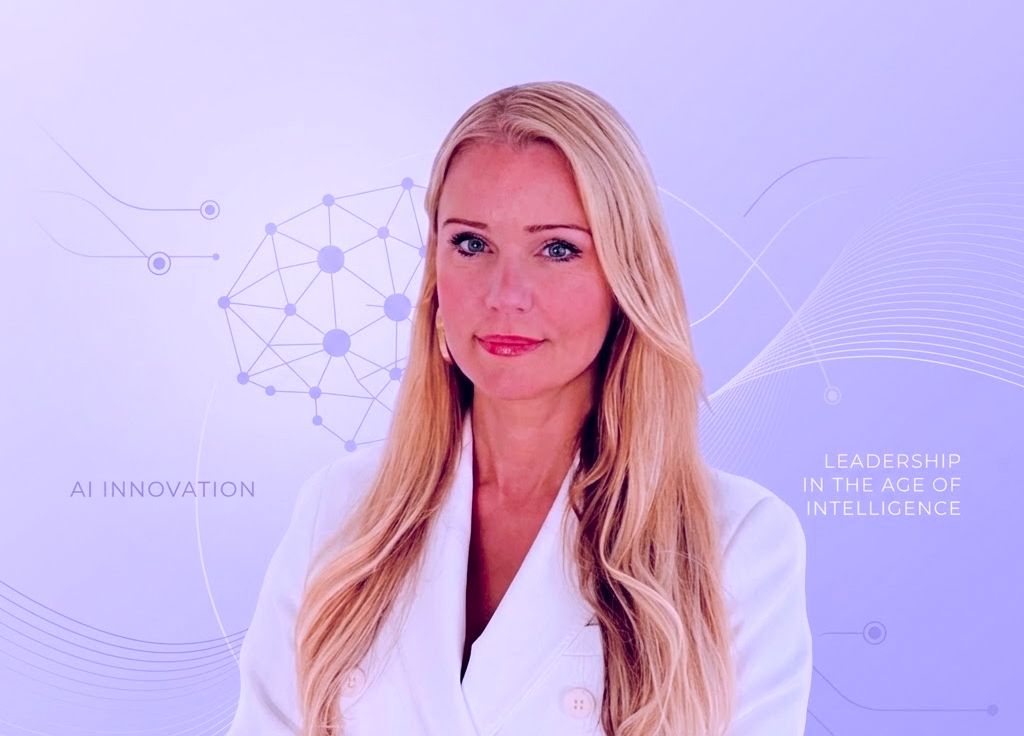
The real driving force behind technological transformation
Human expertise is the real driving force behind all technological transformation
Technological development is advancing faster than ever. AI, automation, cloud platforms and data-driven approaches are transforming the way organisations operate, make decisions and create value. Yet, amidst this accelerating change, one constant remains: it is still people who drive progress forward. It is specialist expertise – the experience, curiosity and ability to turn ideas into reality – that determines whether technology brings about real transformation or remains merely an ambition.
“To ensure growth and profitability, we need the best human expertise and the ability to prioritise the right issues, set standards and translate strategy into consistent action. AI can support the analysis, but direction, judgement, responsibility and leadership must always be human,” says Jeanette Rumenius, CEO of Society.
Technology creates opportunities – specialists deliver results
Organisations are investing in new platforms, tools and solutions at an unprecedented rate, but the technology itself is never the solution. It is merely an enabling layer. The real value only emerges when people with the right skills can analyse needs, design solutions and implement change in a sustainable way.
This is where specialists play a crucial role. Developers who build robust systems. Architects who create scalable structures. Analysts who turn data into insights. Change leaders who ensure that the technology is actually put to use. Leaders who set the direction and prioritise the right initiatives. Together, they are the driving force behind modern transformation.
The role of leadership in a specialist-driven world
As specialist expertise becomes increasingly important, leadership is also changing. It is no longer about having all the answers, but about creating the right conditions for experts to succeed.
This means that:
- Set a clear direction whilst allowing room for manoeuvre
- Encourage experimentation and learning
- Foster a sense of psychological safety within teams
- Prioritise competence over hierarchy
- Create structures for knowledge sharing
Organisations that succeed in this not only achieve better results, but also build stronger capabilities over time.
Skills as a strategic asset
In many organisations, skills are still viewed as a matter of resources, but in practice they have become a strategic competitive factor. Access to the right specialist skills is increasingly determining how quickly an organisation can adapt, innovate and create value.
It is therefore a matter of identifying critical skills at an early stage, developing long-term skills strategies, combining internal development with external expertise, creating attractive working environments for specialists, and actively working to secure the necessary skills.
Organisations that view skills as something dynamic – something that is constantly evolving and being built upon – are best equipped for the future.
Ultimately, it is not technology that transforms organisations. It is people with the right skills, in the right context, and with the right conditions.
And that is precisely where the real driving force behind modern technological development lies.

For more information, please contact:

 Linkedin